Brampton Deep Cleaning Experts
You must have regular cleaning based upon potential hazards, food processing capacity, allergen concerns, and health inspections, combined with verification documentation supporting food safety protocols, inspection results, and public health standards. The following sections describe critical cleaning system elements.
Important Highlights
- Food safety cleaning technicians in Brampton work with restaurants, grocery departments, commissaries, warehouses, bakeries, schools, mobile vendors, and allergen-sensitive operations.
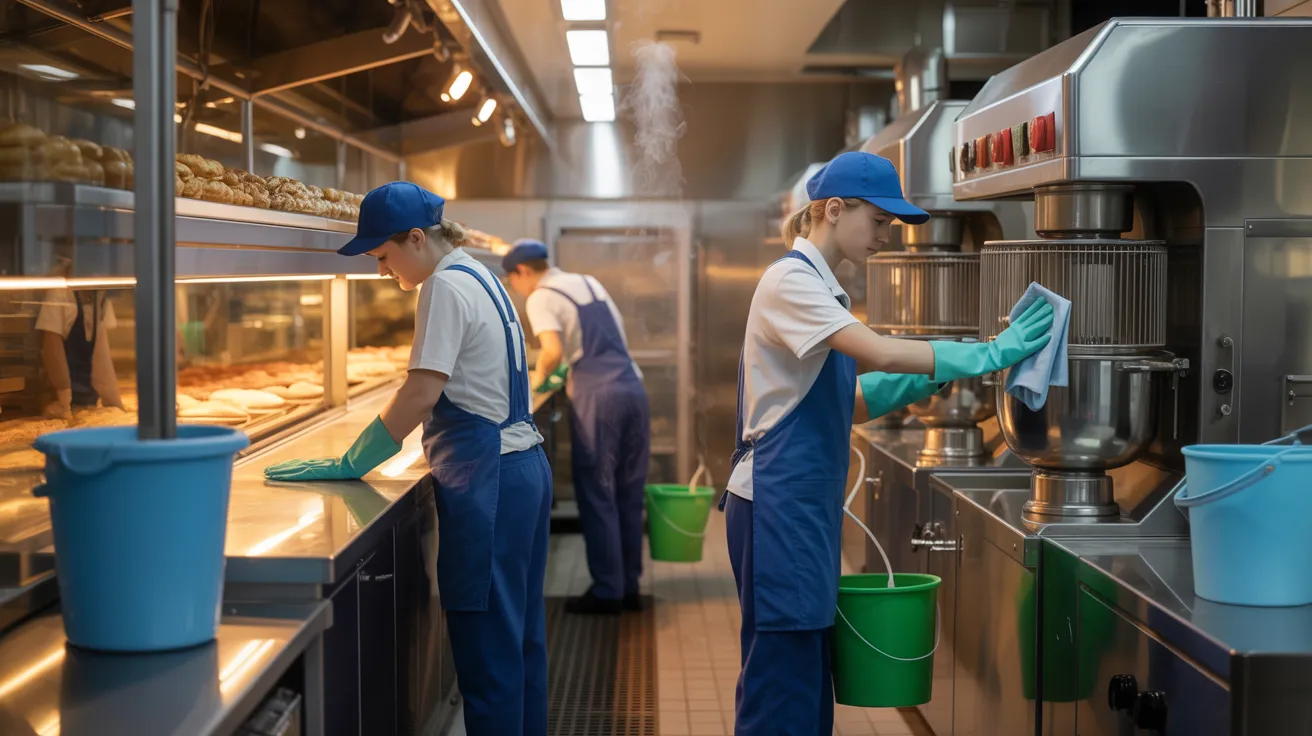
- High-touch surfaces, food-contact equipment, kitchens, floors, drains, restrooms, and storage areas are sanitized using zone-based workflows to reduce cross-contamination.
- Filing of finishing through swabs, audits, and remedial documentation confirms approved providers have confirmed approved sanitizer dilution, compatibility, and exposure duration.
- Sanitation plans should comply with hazard, throughput, transitions, accidents, and standards, with everyday, recurring, and periodic operations distributed by area.
- Protection, color-categorized equipment, HACCP, health regulatory competency, WHMIS preparation, testimonials, and audit-ready cleaning documentation are vital vendor traits.
Brampton Establishments That Need Food Safety Cleaning: Which Ones?
Brampton establishments that process, store, prepare, package, or distribute food require food sanitation. Implement it if your facility is covered by public health inspection, food premises regulations, or internal HACCP-based controls. The obligation covers restaurants, cafeterias, commissaries, grocery food departments, butcher shops, seafood counters, convenience stores, and institutional kitchens.
You'll additionally need documented food sanitation in storage centers, processing facilities, refrigerated warehouses, bakery retailers, school nutrition programs, event halls, and delivery centers. Mobile and temporary operations count as well, examples being mobile kitchens, market vendors, and seasonal booths. If your staff prepare supplies, portion finished foods, reheat items, or manage allergen inventory, your location requires recorded sanitation procedures. In Brampton, cleanliness is required; it forms legal, operational, and consumer protection compliance.
What Do Brampton Cleaning Professionals Handle?
You need cleaning experts who disinfect frequently contacted areas, kitchens, floors, and bathrooms to meet food safety and public health standards. They focus on these spaces because they present the highest risk for contamination spread, slipping risks, and hygiene violations.
When you understand what they clean, you can verify that your facility's cleaning scope meets compliance and operational standards.
Sanitizing High-Touch Zones
Expert Brampton janitorial staff appreciate that high-touch surfaces require disinfection since these areas hold harmful organisms and food particles. You must have a documented schedule for sanitizing frequently touched items like handles, plates, switches, railings, equipment controls, payment terminals, and fridge pulls. Using surface identification mapping, experts determine every high-traffic point and assign cleaning intervals
manufacturer standards and applicable regulations is important. to copyright effectiveness. Staff can employ surface testing to confirm disinfection results
Cooking Zones, Walking Surfaces, and Restroom Environments
Brampton cleaning services focus on kitchens, floors, and restrooms as each zone involves different sanitation, accident, and public health concerns. In industrial kitchens, you need grease removal from cooking stations, appliance surfaces, drain systems, preparation areas, and backsplashes to minimize bacterial growth and pest activity.
Floor care that is documented should equally be anticipated. Technicians scrub and extract buildup from grout, tile, and vinyl flooring, then apply proper moisture management so you can limit falls and maintain code-compliant conditions. They also address entryways where moisture and debris migrate indoors.
Restroom sanitation involves sanitizing touchpoints, fixtures, partitions, dispensers, and waste containers, restocking supplies and controlling odours. They also service restaurant moprooms, where chemical storage, sink hygiene, and drainage conditions can affect sanitation compliance and staff safety daily.
Why Food Safety Cleaning Matters in Brampton
To adhere to regulatory mandates and succeed in audits, Brampton facilities must maintain appropriate cleaning protocols. You also minimize cross-contamination by cleaning and sanitizing food-contact surfaces, equipment, and high-touch areas correctly. Most importantly, you safeguard public health by lowering the risk of foodborne illness in your facility.
Regulatory Code Requirements
Because Brampton food businesses operate under mandatory safety protocols, food safety cleaning directly affects your capacity to satisfy health code requirements, ensure the safety of customers, and sidestep enforcement action. You must maintain hygienic food handling zones, documented cleaning schedules, safe chemical management, and documented employee protocols that meet municipal and provincial inspection expectations.
Proper sanitation enables allergen control by limiting residue on joint machinery and commonly contacted zones.
Cross-Contamination Prevention
Following health code standards depends on your ability to prevent cross-contamination in routine food work and sanitation. You must separate raw ingredients from ready-to-eat foods, disinfect work areas after use, and maintain separation of cleaning products from discover now food. Clear procedures reduce transfer risks and promote steady regulatory adherence.
You might establish allergen separation to stop main allergens from reaching shared surfaces, containers, or equipment. Use dedicated cutting boards, color-coded tools, and rigorous tool identification so team members avoid blending products during preparation or service. Mandate handwashing after handling uncooked meat, fish, egg products, or allergens. Swap cleaning rags frequently, and check sanitizer strength with test strips. When you train staff to follow these controls every shift, you develop a more sanitary, secure business that matches Brampton's safety requirements every day.
Community Health Protection
When food safety cleaning deteriorate, you don't only risk a failed inspection—you expand the chance of foodborne illness affecting customers, staff, and the larger Brampton community. You also weaken your role in safeguarding community wellness, especially in busy food facilities where pathogens travel quickly through surfaces, equipment, and touchpoints.
You need sanitation procedures that eliminate contaminants, sanitize correctly, and verify results. That means following contact times, using approved disinfectants, documenting schedules, and educating employees to meet regulatory standards. These controls support pathogen reduction by reducing pathogens before they contaminate surfaces or food. In Brampton, strong sanitation shields at-risk groups, limits outbreak potential, and enables you to show proper care. When you clean to standard, you exceed basic requirements—you substantially decrease danger and support safer food service throughout the region.
Why Is Cleaning Essential for Food Safety Compliance?
Prioritizing strict sanitation practices secures food safety compliance by minimizing contamination hazards, limiting pathogen development, and keeping your facility aligned with sanitation requirements under HACCP-based programs and public health regulations. You verify that product-contact areas are visibly clean and microbiologically controlled, supporting documented preventive controls and inspection readiness.
Conscientious cleaning also strengthens allergen management by removing residues that can lead to undeclared allergen exposure. When you integrate approved sanitation protocols with compliance training, your staff can adhere to consistent approaches, handle approved chemicals appropriately, update records properly, and handle variations before they escalate. Systematic cleaning facilitates supply chain documentation, verifies remedial measures, and proves accountability when audited. Additionally, it assists you preserve quality assurance, copyright regulatory compliance, and minimize the possibility of punitive measures, market recalls, complaints, and unnecessary health dangers.
Establishing When to Arrange Commercial Cleaning
Elevate cleaning pace during high-volume production, product changeovers, spill events, and following maintenance work.
Deep seasonal cleaning is most effective for shutdowns, weather-related soil buildup, or pest-pressure periods
How Do You Choose Brampton Cleaning Experts?
Evaluate providers first by sanitation compliance standards rather than price alone. You must ensure each provider understands CFIA, public health, and HACCP requirements for your business. Request proof of insurance, WHMIS compliance, staff training documentation, and supervision methods. Check technician awareness of contamination prevention, chemical safety, and documented sanitation practices.
You should further examine service consistency and accountability. Request testimonials from Brampton food businesses, then review reply speed, corrective action plans, and communication protocols. Validate the company facilitates supplier audits and can supply compliance documentation to authorities or third parties. Confirm equipment is maintained, color-coded implements are applied correctly, and facility-specific risks are recognized. A experienced service ensures regulatory compliance, product integrity, and your reputation in the market.
What does a cleaning and sanitation plan encompass?
Put together a written plan that establishes every sanitation task, standard, and responsibility before production begins. You should list cleaning frequencies, approved chemicals, dilution rates, contact times, tools, and verification methods for each zone, surface, and piece of equipment. Make sure to include pre-operational inspections, corrective actions, and employee training requirements.
Your framework should also include cross-contamination controls, waste handling, pest-prevention measures, and documented schedules for bathrooms, drainage, ground surfaces, and food-handling zones. Specify how you'll separate raw and ready-to-eat processes, help with ingredient tracking, and copyright accurate allergen labeling through validated cleaning between product changes. You should define accountability, maintain signed records, and check results against regulatory standards, HACCP controls, and customer requirements. When gaps appear, revise procedures immediately and retrain staff.
Commonly Requested Inquiries
Do cleaning services work during overnight shifts at Brampton properties?
If you operate regulated spaces, you'll also need documentation that support inspections and ensure quality assurance.
Will sanitation professionals respond to hazardous incidents?
Yes, you can find many Brampton sanitation experts offering spill containment options. They handle contamination, assess dangers, contain affected areas, and execute rapid cleanup to minimize risk and limit operational impact. You should confirm timeframes, certifications, protocols, and procedures. If your facility needs compliance, choose a service that documents incidents, follows procedures, and ensures verification.
Can environmentally safe disinfectants be used safely on food-contact surfaces?
Definitely, natural disinfectants function safely on surfaces contacting food if you buy items marked food-safe that satisfy regulatory compliant. You should check application timing, dilution ratios, and rinse protocols before use. Botanical formulations lower chemical hazards, but you require confirmation of performance against specific pathogens. To ensure residue free surfaces, follow manufacturer instructions exactly and ensure your disinfectant complies with food sanitation requirements.
Will cleaning plans accommodate seasonal shifts?
Certainly, cleaning plans accommodate seasonal shifts effectively. Adjust intervals, staffing, disinfectants, and testing procedures to correspond with operational cycles while preserving compliance standards. Lower equipment downtime via planning sanitization alongside equipment transitions, maximum output, and equipment use patterns. Further update SSOPs, instruction programs, and monitoring protocols to address transient threats, additional allergens, or increased soil loads. Ongoing evaluations maintain the plan current.
Do commercial cleaners educate staff on hygiene standards?
Indeed, commercial cleaning providers often offer staff training on proper hygiene. Your team obtains training on safe chemical application, contact times, cross-contamination prevention, equipment breakdown, and record-keeping. They generally adhere to training with HACCP, GMP, and CFIA or local public health criteria. Many also execute compliance inspections to confirm standards, identify gaps, and reinforce corrective actions. This assists you to establish reliable processes, pass inspections, and decrease foodborne illness risks each day.
Final Thoughts
By partnering with Brampton food safety and commercial cleaning experts, you aren't just organizing—you maintain your facility compliance-focused and your practices up to code. From production areas to kitchen zones, every clean surface and maintained corner reduces pest risk and avoids expensive losses. By arranging service at appropriate intervals and following a documented cleaning plan, you protect staff members, customers, and your credibility. In a strictly regulated industry, clean spaces must be prioritized—they're key to business compliance.